


 support@thepetbotique.com
Table of Contents
- What Makes a Pet Bed High Quality
- Orthopedic Dog Bed Benefits for Joint Health and Mobility
- The Denning Instinct: Why Dogs Need a Space of Their Own
- How to Choose the Right Size Dog Bed
- Signs Your Dog Needs a New Bed
- Materials, Cleaning, and Temperature Regulation
- Life-Stage Needs and Bed Placement at Home
- Frequently Asked Questions
Last Updated: September 29, 2026
What Makes a Pet Bed High Quality
High quality pet beds are built around orthopedic support, durable and safe materials, and easy cleaning, not just a soft surface. The difference shows up in your dog's joints, sleep, and long-term health. This guide from The Pet Botique breaks down exactly why that matters and how to choose well.
Here is what separates the two:
- Supportive foam that does not collapse under your dog's weight
- Covers you can remove and wash without fighting the whole bed
- Non-toxic, skin-friendly fabrics that hold up to scratching
- A size that actually fits your dog's sleeping posture
Orthopedic Dog Bed Benefits for Joint Health and Mobility
Orthopedic dog bed benefits come down to one thing: pressure relief. Foam that supports the body evenly takes strain off hips, elbows, and the spine, which matters most for older dogs and breeds prone to joint issues.

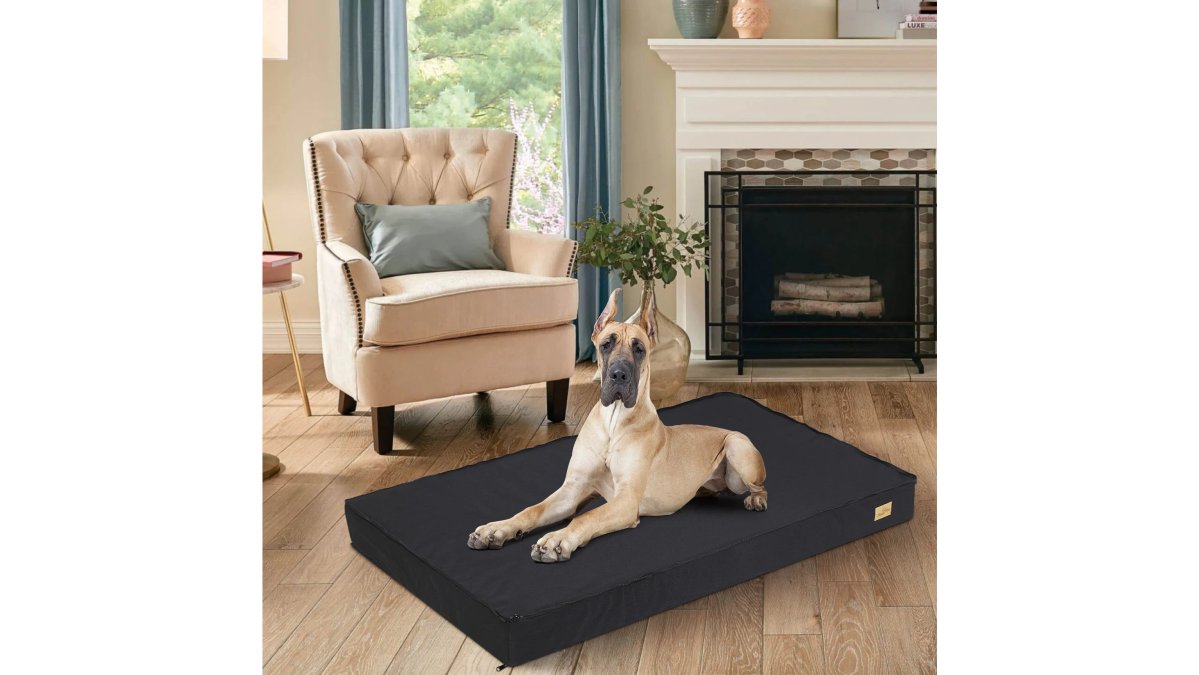
How Memory Foam and Supportive Foam Relieve Pressure
Memory foam and supportive sponge foam both distribute weight rather than letting it pool at the heaviest contact points. The result is fewer pressure points, better spinal alignment, and more restorative sleep.
The Denning Instinct: Why Dogs Need a Space of Their Own
Dogs are descended from animals that den, and that instinct never left. A bed with raised edges or an enclosed shape taps into nesting behavior, which is why anxious dogs often settle faster in a donut or cave-style bed.

How to Choose the Right Size Dog Bed
Measure your dog from nose to tail while stretched out, then add roughly 8 to 12 inches. A bed that is too small forces your dog to curl tightly or hang over the edge, which defeats the purpose of orthopedic support.
Matching Bed Dimensions to Breed and Sleeping Style
Sleeping style decides shape as much as size does. Curlers want a round or donut bed. Stretchers need a rectangle with room to sprawl. Here is how our sizes map to real dogs:
| Size | Dimensions | Supports Up To | Best For |
|---|---|---|---|
| Medium | 30.7 x 18.8 x 3.1 in | 44 lbs | Small-to-midsize curlers |
| Large | 36.2 x 22 x 3.1 in | 66 lbs | Mid-size sprawlers |
| XL | 41.3 x 27.5 x 3.9 in | 88 lbs | Large breeds |
| 2XL | 47.2 x 29.5 x 3.9 in | 99 lbs | Giant breeds |
Signs Your Dog Needs a New Bed
The clearest signs your dog needs a new bed are a flattened or lumpy surface, visible wear, lingering odor, and your dog avoiding the bed or shifting restlessly through the night. Any one of these is worth acting on.
Watch for these signals:
- The foam no longer springs back when you press it
- Your dog circles repeatedly before settling, or gives up and lies on the floor
- The cover is torn, stained, or no longer washes clean
- Your dog has been diagnosed with arthritis or is showing stiffness after naps
- The bed is too small for how your dog now sleeps
Materials, Cleaning, and Temperature Regulation
Fabric choice affects three things at once: how long the bed lasts, how hygienic it stays, and whether your dog can regulate body temperature on it. Most budget beds use a single layer of bonded polyester fill wrapped in a thin cover, it feels soft in the store and flattens within a season. High quality pet beds separate the job into layers, each with a different material doing a different job.
Here is what to look for, layer by layer:
- The support core: CertiPUR-US certified foam is the benchmark for pet bedding in the U.S. The certification means the foam was tested for content, emissions, and durability, and is made without ozone depleters, heavy metals, formaldehyde, or phthalates. If a listing does not name a certification, assume none.
- The liner: A water-resistant or waterproof liner between the cover and the foam is what protects the core from accidents, drool, and spills. Without one, moisture wicks into foam that you cannot wash, and odor becomes permanent.
- The cover: Look for tightly woven upholstery-grade fabric or heavy canvas over loose-knit plush. Tight weaves resist snags from claws and hold up to repeated washing. Plush feels warmer and softer but pills and traps dander faster.
- The base: A non-skid bottom keeps the bed from sliding on hardwood or tile, which matters most for seniors pushing up out of the bed.
Temperature Regulation: Why One Surface Is Not Enough
Dogs run warmer than humans and cannot sweat through their skin the way we do. They cool mainly through their paws and by panting, so a thick plush bed that traps heat can leave a dog restless on a warm night. The practical fix is a bed with a removable or reversible top layer: plush side up in winter, a cooler cotton or canvas side up in summer.
Environmental Impact and Material Sustainability
This is the angle most bed guides skip entirely, and it matters for two reasons: what touches your dog's skin, and what ends up in a landfill. A few concrete things to check:
Washable Large Orthopedic Dog Bed →
- Foam certifications: CertiPUR-US covers the foam itself. GREENGUARD Gold certifies low chemical emissions for the finished product, useful if your dog sleeps in a bedroom with poor ventilation.
- Recycled fills: Some manufacturers now use recycled PET fiber from plastic bottles as a fill layer. It performs similarly to virgin polyester and diverts waste.
- Natural fibers: Organic cotton covers and wool or hemp blends are breathable and biodegradable, but they cost more and usually wear faster than synthetic upholstery fabric.
- End of life: A bed with a replaceable cover and a replaceable foam insert lasts years longer than a sealed unit. That single design choice does more for the environment than any fabric label.
Removable Covers, Water-Resistant Linings, and Bedding Hygiene
A practical cleaning routine:
- Vacuum or shake out the bed weekly to lift hair and dander
- Wash the cover every two to four weeks, or weekly during allergy season
- Spot-clean the liner with a damp cloth and mild soap
- Air the foam core in shade for a few hours to release trapped moisture
One more trade-off worth naming: waterproof liners are excellent for puppies and incontinent seniors, but they reduce breathability. If your dog runs hot, pair a waterproof liner with a breathable cotton cover rather than a plush one.
Life-Stage Needs and Bed Placement at Home
Bed needs change with age, and the mistake most owners make is buying one bed and expecting it to work from puppyhood through the senior years. Matching the bed to your dog's life stage prevents you from replacing it every year, and prevents your dog from sleeping on a surface that no longer fits their body.
Puppies: Chew Resistance and Washability First
Puppies chew, have accidents, and grow fast. Prioritize a bed with a tough, removable cover and a waterproof liner, and size up rather than buying to current weight, most puppies will outgrow a bed bought at eight weeks within a few months. Avoid beds with loose plush edges or exposed zippers that invite chewing. A washable crate pad plus a separate daytime bed is often more practical than one expensive bed during this stage.
Adults: Fit, Durability, and Sleeping Style
Healthy adult dogs need a bed that matches how they actually sleep. Curlers want a round or donut shape with raised edges. Sprawlers need a rectangle long enough to stretch out fully. This is the stage where durability pays off, an adult dog will spend 12 to 14 hours a day on the bed, and a well-built one should hold its shape for several years.
Seniors: Support, Traction, and Easy Access
Senior dogs need the thickest orthopedic foam you can reasonably buy, a low profile they can step into without a jump, and a non-skid base. Watch for these signs that a bed is no longer working for an older dog:
- Stiffness or reluctance to rise after a nap
- Circling repeatedly before lying down, or giving up and lying on the floor
- Avoiding the bed entirely, especially if it sits on a slick floor
- Needing a running start or a hop to get in
Bed Placement and Home Ergonomics
Where the bed goes matters as much as what the bed is. This is the piece most guides skip, and it is often the difference between a dog that uses the bed and one that ignores it.
A few placement principles:
- Watch where your dog already rests. Dogs choose spots based on sightlines and security, not aesthetics. Put the bed where they naturally settle, not where it looks best in the room.
- Avoid foot traffic and doorways. A bed in a hallway or beside a main entrance gets disturbed constantly and becomes a place to be stepped over rather than a place to relax.
- Avoid drafts and direct heat. Keep beds away from air conditioning vents, exterior doors, and radiators. A dog that is too cold or too hot will not sleep deeply.
- Give a clear sightline to the room. Most dogs settle faster when they can see who is approaching. A bed pushed into a dark corner with no view can increase vigilance rather than reduce it.
- One bed per rest zone. If your dog rests in two different parts of the home, say, near you during the day and in a bedroom at night, two beds prevent the constant relocation that disrupts routine.
- Keep it near you early on. For a new puppy or a newly adopted dog, placing the bed in the room where you spend the most time speeds up settling and reduces separation anxiety.
Frequently Asked Questions
Do dogs really need an expensive bed?
Price and quality are not the same thing, but high quality pet beds usually cost more because of what goes inside them: thick supportive foam, water-resistant linings, and covers that survive repeated washing. A cheap bed that flattens in a month gets replaced two or three times a year, which often costs more than one durable bed. The Pet Botique's orthopedic bed starts at $120.99, and the semi-enclosed cave bed is $35.00, so there is a range for different budgets and sleepers.
How does a high-quality bed improve a pet's joint health?
Supportive cushioning spreads a dog's weight instead of letting hips and elbows sink into the floor. That pressure relief matters most for older dogs, large breeds, and dogs with arthritis, because they spend hours in one position. A foam base that holds its shape keeps the spine closer to neutral and reduces the stiffness dogs show after long naps. Flat, thin bedding does none of this, which is why orthopedic dog bed benefits show up fastest in senior pets.
What materials should I look for in a durable pet bed?
Look for a cover that resists scratching and wear, a waterproof or water-resistant lining, and a non-slip bottom. Oxford cloth covers hold up well against digging and clawing, while plush or faux fur surfaces add warmth in colder months. Removable, machine-washable covers make bedding hygiene realistic, and non-toxic materials matter for dogs who chew. The Pet Botique's orthopedic bed uses an Oxford cloth cover with a waterproof lining and a removable zippered cover.
How often should you replace your pet's bed?
Replace a bed when the filling stops bouncing back, when the cover stays damp or smells after washing, or when your dog starts avoiding it. For a well-made bed with a washable cover, two to three years is typical; cheap beds often fail in months. Watch for flattened foam, exposed seams, and a dog who circles for minutes before lying down. Those are the same signs your dog needs a new bed that point to lost support rather than pickiness.
Your dog spends more time on their bed than anywhere else, and a worn-out bed quietly works against their joints and rest. The Pet Botique carries orthopedic, donut, and travel beds built for real support, with removable washable covers and non-slip bases. Buy any two items and save 10%, and enjoy free shipping on orders over $65. Get started with The Pet Botique and give your dog the comfortable, supportive sleep they deserve.


