


 support@thepetbotique.com
Table of Contents
- What Comes in a Typical Pet Subscription Box
- Pet Subscription Box Pros and Cons
- Best Dog Subscription Boxes: What Dog Owners Should Know
- Cat Subscription Boxes: Finding the Right Fit for Your Feline
- Monthly Pet Toy Subscription: Value vs. Cost
- Are Pet Subscription Boxes Worth It for Your Household?
- Frequently Asked Questions
Last Updated: October 10, 2026
What Comes in a Typical Pet Subscription Box
A typical pet subscription box arrives monthly with a curated mix of toys, treats, and accessories selected for your pet's species and size. Most boxes contain 4-8 items, though the exact count varies by service and subscription tier.
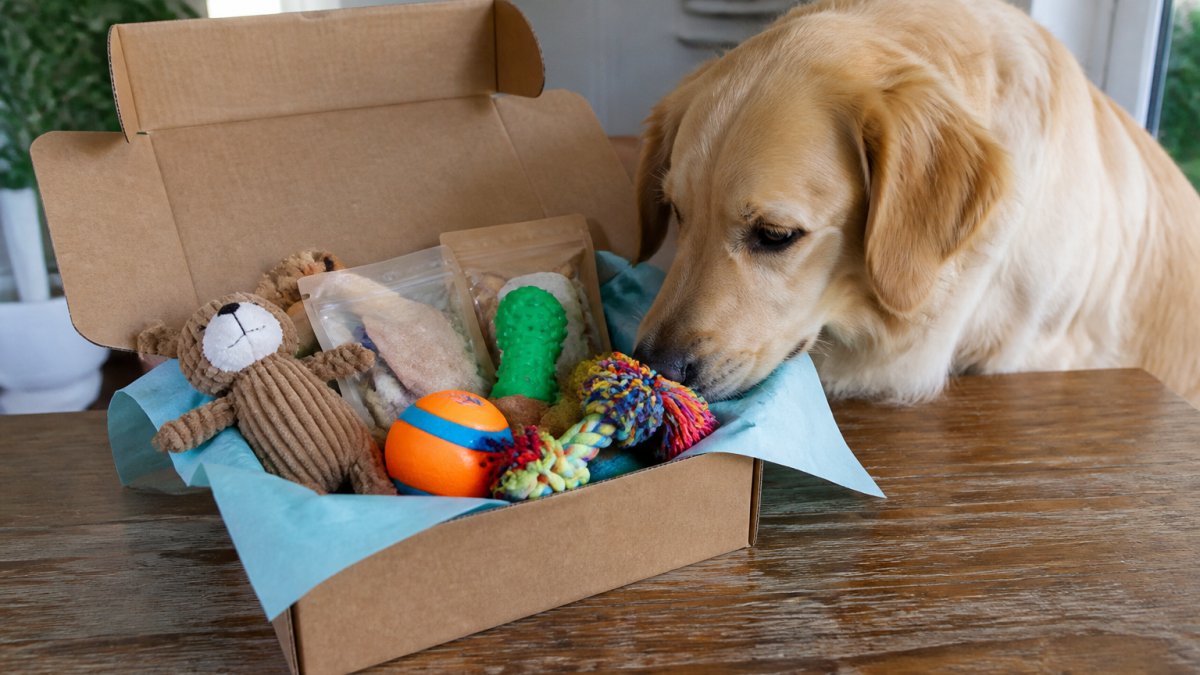
The contents usually include interactive toys designed to keep pets mentally stimulated, natural or specialty treats tailored to dietary needs, and rotating accessories like grooming tools or comfort items. Some boxes focus heavily on toys, while others emphasize treats. A few include themed items or seasonal products that change with the time of year.
What matters most is whether the items match your pet's actual preferences. A cat that ignores feather toys won't use them, and a dog with a sensitive stomach can't eat treats outside its dietary restrictions. This is where customization becomes critical, boxes that let you specify preferences, allergies, or play style tend to feel more valuable than one-size-fits-all options.
Pet Subscription Box Pros and Cons
Pet subscription boxes offer genuine convenience for busy pet owners. Monthly delivery means you're less likely to run out of essentials, and the variety can introduce your pet to new products you might not have discovered on your own. The discovery aspect appeals to many owners who enjoy the surprise element.
The drawbacks are equally real. Subscription boxes generate waste when items don't match your pet's needs or preferences. A dog that destroys toys in minutes, or a cat indifferent to the included items, makes the monthly cost feel like money spent on clutter. Cancellation policies vary widely, some services make it easy to pause or stop, while others bury cancellation in account settings or require contacting support.
| Aspect | Pros | Cons |
|---|---|---|
| Convenience | Monthly delivery to your door | Requires ongoing commitment |
| Discovery | Introduces new products | May not match pet preferences |
| Customization | Many boxes offer preference selection | Limited customization in budget tiers |
| Waste | Reduces shopping trips | Unused items create clutter |
| Cost Predictability | Fixed monthly price | Harder to control spending |
Best Dog Subscription Boxes: What Dog Owners Should Know
Dog subscription boxes vary significantly in quality, focus, and suitability. Some emphasize toys for high-energy dogs, while others center on treats and chews. The best fit depends on your dog's size, age, play style, and dietary needs, factors that determine whether a box delivers value or waste.
Size and toy safety matter first. A toy designed for a 50-pound Labrador becomes a choking hazard for a 10-pound Chihuahua. Similarly, treat sizes must match your dog's mouth and jaw strength. Oversized chews that work for a large breed are inappropriate and potentially dangerous for small dogs. When evaluating a subscription, confirm whether the service offers size-specific tiers (small, medium, large) and whether customization is applied to every shipment, not just the first one. Some services let you specify size at signup but then send generic boxes that ignore that preference.
Play style and durability are critical for active dogs. Dogs that are heavy chewers or aggressive players destroy toys quickly. A toy that lasts one week makes a monthly subscription feel wasteful. Ask potential services: Do they test toys for durability? Do they offer heavy-chewer alternatives? Do they replace items that arrive damaged? A subscription that doesn't account for play intensity will accumulate unused or destroyed items within weeks.
Age and developmental stage affect what's appropriate. Puppies need softer toys and smaller treat sizes; senior dogs may need softer chews due to dental issues. A one-size-fits-all box ignores these needs. Look for services that ask about your dog's age and adjust contents accordingly. A puppy subscription should include teething toys and training treats; a senior dog box should emphasize joint-supporting treats and lower-impact toys.
Allergies and dietary restrictions require verified attention. Dogs with sensitivities to chicken, beef, grains, or other common ingredients can't eat treats that include those allergens. A subscription that includes common allergens defeats its purpose and can cause digestive upset or allergic reactions. Before subscribing, confirm the service's allergy protocol: Do they maintain a list of your dog's restrictions? Do they verify every box against that list before shipping? Do they offer ingredient transparency for every treat? Services that require you to manually check each item or that occasionally "slip up" on restrictions are not reliable enough for dogs with genuine allergies.
Customization depth varies widely. Budget-tier subscriptions often offer minimal customization, perhaps size and one or two preferences. Mid-tier and premium subscriptions typically allow you to specify play style (fetch, tug, puzzle), treat type (soft, crunchy, dental chews), and dietary restrictions. Before committing, test the customization interface: Is it easy to update preferences monthly? Can you exclude specific items? Does the service actually honor your preferences in shipments, or do you receive the same generic box regardless? Read recent reviews from owners with similar dogs to see whether customization actually works in practice.
Ingredient transparency and safety standards matter. Ask whether the service publishes ingredient lists for all treats, whether they source from suppliers that meet FDA standards, and whether they test for contaminants. Some subscriptions partner with established treat brands; others source from smaller manufacturers with less transparent quality control. Neither is inherently better, but you should know the difference and feel confident about what your dog is eating.
Cat Subscription Boxes: Finding the Right Fit for Your Feline
Cat subscription boxes face a different challenge than dog boxes, cats are notoriously selective. A toy that thrills one cat leaves another completely uninterested. Feather wands, laser toys, and balls appeal to hunting instincts, but individual cats vary wildly in what captures their attention.
Cats also have strong preferences about treat flavors and textures. Some prefer crunchy kibble-style treats, while others want soft, savory options. A box that doesn't account for these preferences wastes money fast.
The best cat boxes include a mix of toy types, wands, balls, interactive puzzle toys, increasing the odds that something appeals to your cat. Some services let you specify your cat's play style, which helps. Treat variety matters too, especially if your cat is picky about flavors.
Space is another practical consideration. Cats don't need as many toys as dogs, and apartment dwellers have limited storage. A box that arrives with 8 items when you have nowhere to store them creates frustration rather than value.
Monthly Pet Toy Subscription: Value vs. Cost
The core question for any subscription is whether the monthly cost delivers better value than buying items yourself. This requires transparent math, not broad claims about savings.
Start by understanding what you're actually paying per item. A subscription that costs $35 per month and includes 6 items breaks down to roughly $5.83 per item before accounting for shipping and any annual fees. Compare that against what those same items cost at retail. A durable rubber toy might retail for $8-12, a pack of specialty treats for $6-10, and a grooming tool for $10-15. If your subscription box contains three items in these categories, you're looking at $24-37 in retail value. At $35 monthly, you're roughly breaking even or slightly ahead, but only if your pet actually uses everything.
The math changes dramatically if items go unused. A box with one item your pet ignores and five items it uses is effectively a $7 cost per usable item, not $5.83. This is why customization and pet preferences matter more than the headline savings claim.
Consider also what you currently spend on toys and treats annually without a subscription. If you typically buy one toy per month ($10) and occasional treats ($15 monthly), you're spending roughly $300 per year. A $35 monthly subscription costs $420 annually, a 40% increase. In this scenario, the subscription only makes sense if the curated items are substantially better quality or if you value the discovery and convenience enough to justify the premium.
Conversely, if you're a frequent buyer who spends $60+ monthly on pet products, a $35 subscription could reduce your overall spending while improving variety. The key is honest accounting: add up what you actually purchased in the past 12 months, divide by 12, and compare that to the subscription cost. If the subscription is lower and customization options match your pet's needs, the value proposition is real. If it's higher, the subscription is an add-on expense, not a savings tool.
Some owners use subscriptions strategically: they subscribe for two or three months to try new products and assess whether items match their pet's play style and dietary needs, then pause or cancel if the value doesn't justify the cost. This approach lets you enjoy the discovery element without the risk of a year-long commitment to a service that may not fit your household.
Are Pet Subscription Boxes Worth It for Your Household?
Whether pet subscription boxes worth it depends on five specific factors: your pet's preferences, your budget, how much you currently spend on toys and treats, your tolerance for waste, and whether the service offers customization that actually works.
Start by asking: Does my pet have strong preferences? If yes, a customizable box is essential. If your pet enjoys almost anything, a standard box has better odds of success. Next, calculate your current annual spending on toys and treats. If the subscription costs less than what you'd normally spend, and items won't sit unused, the math works.
The waste question matters more than most people acknowledge. A box full of unused items isn't a bargain, it's a monthly expense that clutters your home. If your pet is destructive, picky, or has allergies, the subscription needs strong customization to avoid waste.
Finally, test before committing long-term. Many services offer single-month trials or let you pause after the first box. Use that flexibility to see whether your pet actually uses the items and whether the experience feels valuable. A subscription that seems perfect in theory might disappoint in practice once you see what arrives and how your pet responds.
Choosing the right pet products shouldn't mean endless shopping trips or guessing whether items will actually engage your pet. The Pet Botique makes it simple with many high-quality accessories designed for real pets with real preferences. When you buy any two items, you save 10% and enjoy free shipping on orders over $65, making it easy to stock up on what your pet actually loves. Explore The Pet Botique's collection to discover products built to last through active play and genuine engagement.
Frequently Asked Questions
What usually comes in a pet subscription box?
Pet subscription boxes typically include a mix of toys, treats, and accessories tailored to your pet's type and size. Most boxes feature 3-6 items per month, often rotating between interactive toys, chew treats, grooming supplies, and novelty items. Some services allow customization based on your pet's preferences, allergies, or play style. The exact contents vary by subscription tier and provider.
Are pet subscription boxes cheaper than buying supplies individually?
This depends on what you'd normally purchase. Pet subscription boxes offer convenience and curated variety, but the per-item cost may be higher than buying specific products you know your pet loves at retail prices. The value increases if you enjoy trying new products, appreciate the convenience of monthly delivery, or struggle to decide what toys and treats to buy. Compare the monthly fee against what you'd typically spend on similar items to determine if it makes financial sense for your household.
Can you cancel a pet subscription box at any time?
Most pet subscription services allow cancellation without penalty, though policies vary. Many offer pause options so you can skip months without canceling entirely. Always review the cancellation terms before subscribing. Some services may require notice before your next billing date. Check the provider's website or contact customer service to confirm their specific cancellation and renewal policies.
Are pet subscription boxes suitable for pets with allergies?
Many pet subscription boxes offer customization options to exclude allergens or specific ingredients. Before subscribing, review whether the service allows you to flag allergies, dietary restrictions, or ingredient preferences. Some boxes specialize in limited-ingredient or allergen-free treats, while others may not accommodate special needs. Contact the provider directly to confirm they can meet your pet's requirements before committing to a subscription.


