


 support@thepetbotique.com
Table of Contents
- Quick Comparison: Durable Interactive Dog Toys for Chewers
- Interactive Dog Toys for Aggressive Chewers
- Treat-Dispensing Toys for Dogs That Chew Hard
- Dog Puzzle Toys for Chewers: Mental Stimulation That Lasts
- Safe Chew Toys for Dogs: Materials, Supervision, and Replacement
- Rope, Tug, and Dental Toys for Heavy Chewers
- Frequently Asked Questions
Last Updated: October 6, 2026
Quick Comparison: Durable Interactive Dog Toys for Chewers
The best durable interactive dog toys for chewers combine tough materials with a job to do, so a dog works for the reward instead of destroying the furniture.
Below is our quick comparison of the picks we recommend most.
| Toy | Price | Material | Best For |
|---|---|---|---|
| Chew-Resistant Burst Ball | $14.99 | ETPU | Fetch and solo chewing |
| LED Light-Up Training Ball | $14.99 | Rubber | Evening play, training |
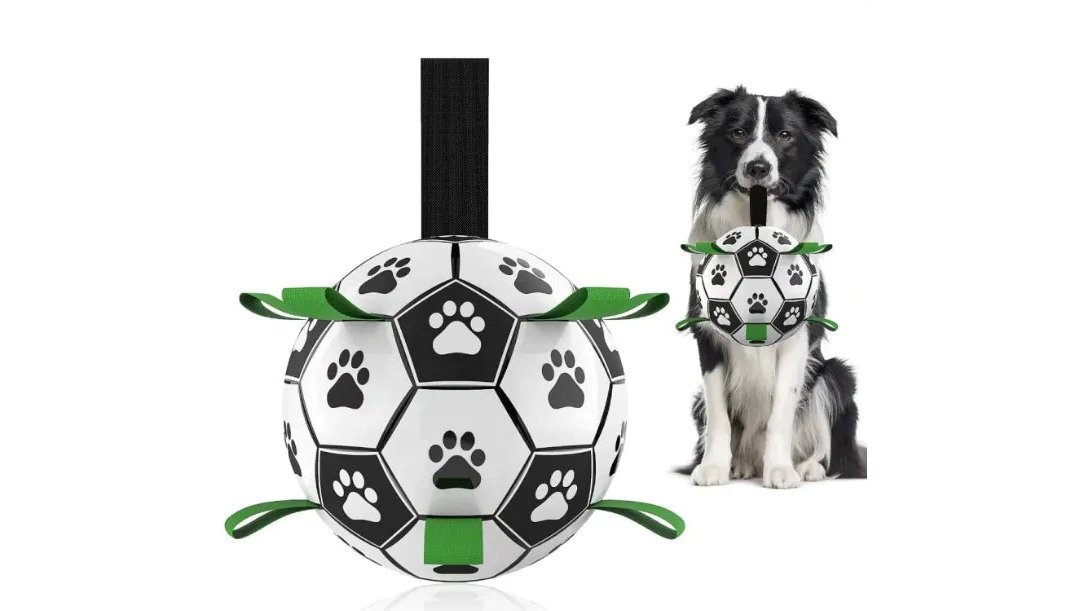
| Interactive Soccer Ball | $19.99 | PU with nylon tabs | Medium and large breeds |
| Squeaky Dog Toy | $29.99 | Plastic and cloth | Puppies, small dogs |
| Stingray Rope Toy | $59.99 | Plush with 10ft rope | Tug and bonding play |
| Pet Bite Rope Chew Toy | $14.99 | Cotton rope | Dental chews, all sizes |
| Molar Toothbrush Chew Toy | $19.99 | Soft elastic material | Daily dental care |
| Dog Chew Toy for Dental Care | $19.99 | Durable plastic | Small dogs, teething |
| Rope Tug Toy | $19.99 | Pet-safe rope | Cats and dogs, tug play |
| Sausage-Shaped Chew Toys | $9.99 | Silicone | Budget multi-pet homes |
Our top pick for most heavy chewers is the Chew-Resistant Burst Ball Dog Toy, because the ETPU build holds up to rough play and comes in three sizes so you can match it to your dog.

Interactive Dog Toys for Aggressive Chewers
Interactive dog toys for aggressive chewers need two things at once: a material that resists puncturing and a design that gives the dog something to chase, carry, or solve. A tough ball with nothing to do gets ignored. A busy toy made of soft material gets shredded.

Chew-Resistant Burst Ball Dog Toy
The Burst Ball is our first recommendation for power chewers. It is made from ETPU, a dense material that flexes under jaw pressure instead of cracking, and it weighs just 40 grams so dogs can carry and toss it themselves. It comes in three sizes: Mini at 5 cm, Small at 6.3 cm, and Medium at 7 cm, which covers small pets up to larger dogs. The burning orange color makes it easy to find in grass.
LED Light-Up Dog Training Chew Ball
For dogs that lose interest once the sun goes down, the LED ball keeps play going. It cycles through red, yellow, sky blue, green, orange, and pink, and the lights activate during play. The rubber shell handles vigorous chewing, and at 0.15 kg it stays light enough for fetch.
Interactive Dog Soccer Ball
Medium and large breeds that love to chase get the most from this one. Nylon tabs create erratic bounces that mimic prey movement, and the PU material is gentle on teeth while holding up to outdoor play. It is also water-friendly, so pools and beaches are fair game. Best for Border Collies, Labs, and similar builds.
Treat-Dispensing Toys for Dogs That Chew Hard
Treat-dispensing toys for dogs that chew hard turn a chewing session into a working session. Food comes out slowly, which stretches one toy across twenty minutes instead of two. The catch is that a dispenser only works if the dog can actually get the food out. A toy that is too tight gets abandoned or chewed open; one that is too loose is emptied in seconds and forgotten.
Match the Difficulty to the Dog
A simple progression works for most households:
- Start easy. Loose kibble in a wide opening falls out with a single roll. Good for puppies, seniors, and dogs new to food toys.
- Step up. Add a few treats that rattle but do not fall freely. The dog learns to paw, nudge, and carry the toy.
- Add resistance. Mix kibble with a spoon of wet food or plain yogurt and freeze it. The dog has to lick and work the mixture loose.
- Go advanced. Layer different textures, such as kibble at the bottom and a frozen plug at the top, so the dog has to solve the toy in stages.
Food-motivated dogs usually move up a level within a few sessions. Easily frustrated dogs do better if you stay at one level longer and always let them win something on the first try. Persistent dogs that ignore food can be switched to a toy that squeaks or moves instead.
What to Look For in a Chew-Hard Dispenser
- A single-piece body. Toys with removable caps or screw-together sections can be pried apart by determined jaws.
- No sharp interior edges. Run a finger inside the opening before the first use.
- A size that cannot be swallowed. The toy should be wider than the dog's muzzle at its narrowest point.
- A material that flexes. Hard plastic cracks under repeated jaw pressure; silicone and rubber give instead.
Our food-stuffing option is the Sausage-Shaped Pet Chew Toy, made from bite-resistant silicone with a squeaker inside. The single-section size runs 22 cm and the triple-section runs 60 cm, so you can size up for bigger jaws. Silicone is gentle on teeth, which matters for dogs that chew for hours. The squeaker adds a second reward for dogs that lose interest once the food is gone.

Stuffing and Freezing Basics
A few habits make food toys last longer and stay safer:
- Rinse the toy after every use. Dried food in the crevices grows bacteria and can make a dog sick.
- Freeze stuffed toys in a zip-top bag so they do not pick up freezer odors.
- Check the opening for cracks each time you refill it. A split in the silicone is a sign to retire the toy.
- Never leave a stuffed toy with a dog that has a history of swallowing large pieces.
Dog Puzzle Toys for Chewers: Mental Stimulation That Lasts
Dog puzzle toys for chewers work best when the difficulty matches the dog. A puzzle that is too easy gets solved and abandoned. One that is too hard gets chewed open out of frustration.
The Squeaky Dog Toy sits in the middle ground for puppies and small dogs. It squeaks and shakes for 12 seconds when touched, then stops, which resets the dog's interest instead of wearing out the novelty. The whole thing is washable.
Chew-Resistant Burst Ball Dog Toy →
For high-IQ dogs, rotate two or three toys weekly. Novelty does more for mental stimulation than any single toy can.
Safe Chew Toys for Dogs: Materials, Supervision, and Replacement
Safe chew toys for dogs come down to three habits: pick the right material, supervise the first session, and replace worn toys before they fail.
On materials, here is how the common options compare:
- ETPU: Dense, flexible, resists puncturing. Used in the Burst Ball.
- Rubber: Springs back under pressure. Used in the LED ball.
- Silicone: Soft on teeth, good for food-stuffing. Used in the Sausage Chews.
- Cotton rope: Great for tug and dental cleaning, but fray it and it must go.
- PU with nylon tabs: Light, water-friendly, best for fetch rather than chewing.
How to Tell When a Toy Is No Longer Safe
Retire a toy when you see any of these:
- Deep gouges or cracks you can catch a fingernail in
- Loose pieces, torn tabs, or exposed squeaker
- Frayed rope strands longer than a few centimeters
- Missing chunks, even small ones
- Any wobble or rattle in a powered toy
Rope, Tug, and Dental Toys for Heavy Chewers
Rope and dental toys earn their place because they clean teeth while the dog plays. They also carry risks that plush and rubber toys do not, so the category deserves its own rules.
Rope Toys: Tug, Floss, and the Fray Problem
A few habits keep rope play safe:
- Tug with a purpose. Short, controlled tugs are fine. Long, whipping sessions invite neck and jaw strain.
- Trim, do not ignore. Cut loose strands back to the knot as soon as you see them.
- Retire at the first hole. A rope with a visible gap between the knot and the body is done.
- Supervise. Rope is not a solo-play toy for heavy chewers.
Dental Toys: What They Actually Do
For daily maintenance, the Pet Dog Chew Toy Molar Toothbrush has a textured surface that massages gums, and the Dog Chew Toy for Dental Care is built for teething puppies and small breeds. The Pet Bite Rope Dog Chew Toy with Teeth Cleaner uses a knotted cotton design, and it is machine washable. At 100 grams it suits dogs of all sizes.
Tug Toys: Matching the Toy to the Household
For tug sessions, the Stingray Rope Toy pairs a plush stingray with a 10-foot rope, which gives two people room to play without crowding the dog. The Rope Tug Toy covers smaller households and works for cats as well as dogs.
Cleaning and Replacement Cues
- Cotton rope: Machine wash on a gentle cycle, air dry. Replace when the rope stiffens or frays.
- Silicone and rubber dental toys: Hand wash with warm water and mild soap. Replace when the texture smooths out or cracks appear.
- Plush-and-rope combos: Check the seam where the plush meets the rope. That is the first place to fail.
Frequently Asked Questions
What is the best interactive dog toy for heavy chewers?
The best pick depends on your dog's chewing style. If your dog needs mental engagement, a treat-dispensing or puzzle toy keeps them working for kibble. Rotate two or three interactive dog toys so no single toy gets destroyed in one session, and always match the toy's size to your dog's breed.
How do I choose an interactive toy for a dog that chews aggressively?
Start with material. Check the size against your dog's mouth: a toy small enough to swallow is a choking risk. For power chewers, skip anything with squeakers or small parts that can be torn off. Test one toy at a time under supervision before leaving your dog alone with it, and replace it at the first sign of cracking or chunk loss.
Are puzzle toys suitable for heavy chewers?
The challenge is that a determined chewer may try to bite through the puzzle instead of solving it. Start with an easier difficulty level so your dog learns to nose or paw the treat out rather than chew the toy open. Supervise early sessions, and if your dog ignores the puzzle and attacks the plastic, switch to a chew-first toy.
How can I tell when a dog toy is no longer safe?
Retire a toy when you see cracks, deep gouges, missing chunks, exposed internal material, or loose rope fibers. For rope toys, throw them away once strands start unraveling, since swallowed threads can cause intestinal blockage. Wash rubber and silicone toys regularly with warm water and pet-safe soap, and check them weekly. Inspect often.
Should I leave a heavy chewer alone with an interactive toy?
It depends on the toy. Rope toys, plush toys, and anything with squeakers or batteries should only be used during supervised sessions. If your dog destroys toys quickly, keep solo-time options limited to one-piece designs and save the more complex interactive toys for when you are in the room.
Destructive chewing usually means boredom plus the wrong toy, not a bad dog. The Pet Botique stocks durable interactive dog toys for chewers, including the Chew-Resistant Burst Ball and the LED Light-Up Training Chew Ball, both built to survive real chewing. Buy any two items and save 10%, and orders over $65 ship free. Get started with The Pet Botique and give your dog a toy that keeps up.


