


 support@thepetbotique.com
Table of Contents
- Why Most Chew Toys Fail Within a Week
- What to Look for in Durable Chew Toys for Aggressive Chewers
- Top Picks: Chew-Resistant Burst Ball and Rope Toys
- Dental Chew Toys That Handle Tough Chewers
- Non-Toxic Dog Toys for Aggressive Chewers: Safety First
- Best Interactive Toys for Bored Dogs Left Alone
- How to Know When to Replace a Chew Toy
- The Verdict: Matching the Toy to Your Dog's Chewing Style
- Frequently Asked Questions
Last Updated: September 7, 2026
Why Most Chew Toys Fail Within a Week
The average "indestructible" toy lasts about 72 hours with a determined chewer, failing because manufacturers prioritize soft, squeaky appeal over material density and structural integrity (vcahospitals.com).
Plush toys, thin rubber, and hollow balls with weak seams are often the first to go. Swallowed fragments can create a choking hazard or cause intestinal blockage.
A determined Labrador or Pit Bull generates significant bite force, and cheap materials simply don't hold up. That's why the search for durable chew toys for aggressive chewers needs to focus on engineering, not marketing claims.
What to Look for in Durable Chew Toys for Aggressive Chewers
A genuinely durable chew toy for aggressive chewers combines three non-negotiable qualities: high-density material, appropriate size, and a design that distributes bite force instead of concentrating it.

The first test is material density: press your thumbnail into the surface. If it leaves a dent, the toy is too soft. The second is shape: thin appendages, ears, or tails create weak points that snap off. The third is size: a toy that's too small can be repositioned to target weak seams or become a choking hazard.
Material Matters: Rubber vs. Nylon
Natural rubber, like ETPU, offers some give, making it gentler on teeth while still resisting punctures. It's ideal for dogs that gnaw persistently without trying to break pieces off.
Nylon and hard plastics are denser and last longer against aggressive shredders, but they're less forgiving on dental enamel, and some dogs lose interest. Rotate both types: rubber for solo chewing and nylon for supervised, high-intensity play.
Size, Shape, and Your Dog's Bite Force
A toy should be large enough that your dog cannot fit the entire thing past their molars. For large breeds, that means at least 4 to 6 inches across. For small dogs with strong jaws, scale down proportionally but never below what they can safely grip.
Balls with solid construction, rope toys with tight knots, and flat dental chews all distribute pressure differently. A single, thick mass of material will outlast anything with moving parts, squeakers, or fabric covers.
Top Picks: Chew-Resistant Burst Ball and Rope Toys
The Chew-Resistant Burst Ball Dog Toy at $14.99 is crafted from durable ETPU material, which withstands enthusiastic chewing while remaining lightweight enough for fetch and chase. The vibrant orange color makes it easy to spot in grass.

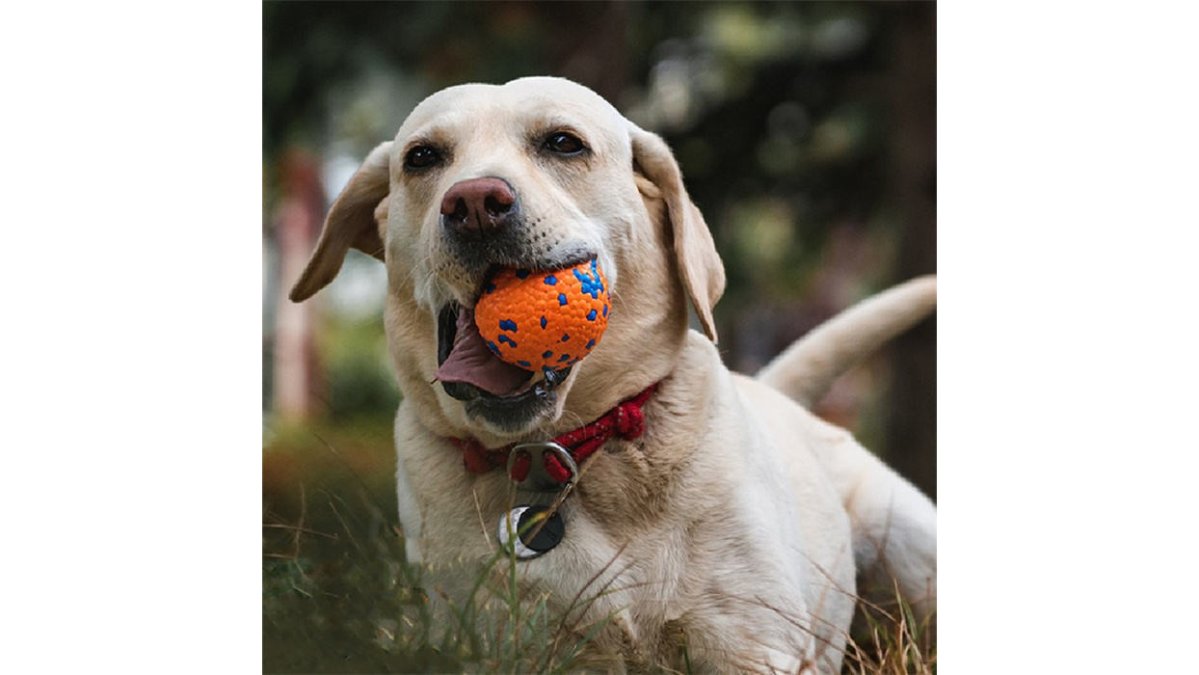
For interactive play, the Pet Bite Rope Dog Chew Toy with Teeth Cleaner at $14.99 has tight cotton knots. The Rope Tug Toy at $19.99 offers a textured surface.
Dental Chew Toys That Handle Tough Chewers
Dental toys satisfy the chewing urge and clean teeth simultaneously. For aggressive chewers, the material must withstand pressure while still providing enough texture to scrape plaque.
The Pet Dog Chew Toy Molar Toothbrush at $19.99 has a textured surface.
For small breeds with aggressive tendencies, the Dog Chew Toy for Dental Care at $19.99 is sized specifically for smaller jaws. The plastic is safe.
A less expensive option is the Sausage-Shaped Pet Chew Toys at $9.99. Made from non-toxic silicone, these toys are shaped like sausages.

| Toy | Price | Material | Best For | Key Benefit |
|---|---|---|---|---|
| Chew-Resistant Burst Ball | $14.99 | ETPU | All sizes | Puncture-resistant fetch toy |
| Pet Bite Rope Toy | $14.99 | Cotton rope | All sizes | Dental cleaning during play |
| Molar Toothbrush | $19.99 | Elastic tough material | Puppies and adults | Oral hygiene focus |
| Dental Care Chew | $19.99 | Safe plastic | Small dogs | Tartar reduction |
| Sausage-Shaped Chew | $9.99 | Silicone | All sizes | Budget-friendly anxiety relief |
Non-Toxic Dog Toys for Aggressive Chewers: Safety First
Safety is the foundation of any chew toy selection. Non-toxic dog toys for aggressive chewers should be free from phthalates, BPA, and lead, and they should carry clear labeling about their materials (the FDA).
The Chew-Resistant Burst Ball uses ETPU, a non-toxic material. The Sausage-Shaped Chew Toys use silicone, which is naturally non-toxic. Cotton rope toys should be made from untreated, natural cotton fibers.
Avoiding Choking Hazards and Harmful Materials
The most serious risk with aggressive chewers isn't toxicity, it's fragmentation. When a toy breaks into small pieces, those pieces become choking hazards or cause intestinal blockages. Denser materials resist fragmentation better.
Supervised play is essential during the first few sessions with any new toy. Watch how your dog chews and whether they're making progress breaking pieces off. If you see fragments, remove the toy immediately. According to ASPCA's guidance on dog toy safety, pet owners should regularly inspect toys for wear and tear and discard any toy that shows significant damage or has pieces that could be swallowed.
Best Interactive Toys for Bored Dogs Left Alone
Dogs left alone for long hours often turn to destructive behavior out of boredom. The best interactive toys for bored dogs combine mental stimulation with physical durability, keeping your dog engaged long enough to burn excess energy.
The Interactive Dog Soccer Ball at $19.99 uses nylon tabs. It's made from non-toxic PU material.
For dogs that need mental engagement, the Dog Snuffle Toy at $19.99 is made from pineapple fleece fabric. Hide treats inside.
The Squeaky Dog Toy at $29.99 automatically squeaks and shakes for 12 seconds when touched.
How to Know When to Replace a Chew Toy
Knowing when to retire a toy is just as important as choosing the right one. A worn toy isn't just less effective; it becomes a safety hazard. Here's a damage-based checklist.
The Visual and Tactile Inspection
Every few days, run your hands over the entire surface of the toy, feeling for changes in texture and integrity. You're looking for subtle signs of structural fatigue that precede a catastrophic failure.
- For Rubber and ETPU Toys: Look for surface pitting, small punctures, or areas where the material feels significantly softer or thinner. If you can press your thumbnail into the surface and leave a lasting dent, the material's internal structure is compromised. A toy with any visible crack is a choking hazard waiting to happen.
- For Nylon and Hard Plastic Toys: Check for deep scratches, gouges, or any areas where the material is starting to splinter or flake. Nylon toys can develop sharp edges that can cut your dog's gums. If you see any sign of splintering, it's time for the toy to go.
- For Rope Toys: The primary failure point is the knots. Check them daily. If a knot is coming undone, or if the fibers are fraying into strands longer than a couple of inches, the toy should be retired. Long strands can be swallowed and cause intestinal blockages.
The 'Flex and Snap' Test
Bend a rubber toy in half. A new, high-quality toy will flex and return to its original shape. A worn toy will show stress marks, whitening, or small cracks at the point of flexion. If you hear a cracking sound or feel any give, discard it immediately.
The 'Small Parts' Rule
This is the most critical rule: if any piece of the toy can be broken off and fit entirely inside your dog's mouth, it's a choking hazard. This includes not just large chunks, but also small pieces like squeakers, eyes, or tags. If you can detach a piece with your hands, the toy must be removed from rotation.
A Practical Replacement Schedule
While the damage-based checklist is the primary guide, a general schedule can help you plan and budget. Veterinarians often advise replacing toys for aggressive chewers every 2-4 weeks, even if they look intact, because the material's structural integrity degrades from the inside out due to repeated compression.
The Cost-Per-Use Reality
A high-quality rubber toy costs $20 and lasts 8 weeks, or $2.50 per week. A cheaper toy that costs $8 but only lasts 1 week costs $8.00 per week. Over a year, the expensive toy costs $130, while the cheap toy costs $416. Investing in a more durable toy is significantly more economical.
The Verdict: Matching the Toy to Your Dog's Chewing Style
No single toy works for every dog. The key is matching the toy not just to a general 'aggressive chewer' label, but to your dog's specific chewing style and jaw mechanics. We categorize chewers into three primary profiles: gnawers, shredders, and power chewers.
Understanding the Three Chewer Profiles
- Gnawers: These dogs settle in and chew persistently on one spot for long periods. They benefit most from natural rubber and ETPU toys like the Chew-Resistant Burst Ball, which provide satisfying resistance without breaking down.
- Shredders: These dogs are on a mission to tear things apart. They need toys that are engineered to resist their pulling and ripping. Tightly woven rope toys or dense nylon are good options. Avoid toys with fabric covers, seams, or appendages, as these are the first things a shredder will target.
- Power Chewers: These dogs combine both behaviors. They will gnaw persistently and then switch to shredding. They need the toughest materials available, and they will likely need a rotation of toys to keep their interest. A power chewer might do well with a dense nylon bone for one session and a tough rubber ball for another.
Breed-Specific Chewing Profiles: A Deeper Look
While the three profiles are a good starting point, breed-specific traits offer a more nuanced guide. A Chihuahua and a Mastiff have vastly different jaw strengths and motivations.
- Terriers (e.g., Jack Russell, Pit Bull, Staffordshire): These breeds are tenacious and have a strong prey drive. They are often 'shredders' who are determined to break things down. Their jaws are powerful for their size. They need toys made from the hardest materials, like dense nylon or reinforced rubber.
- Working and Herding Breeds (e.g., German Shepherd, Rottweiler, Labrador): These dogs have strong, broad jaws and a high energy level. They are often 'power chewers' who need a combination of durability and engagement. A tough rubber toy that can be used for a game of fetch is ideal.
- Small Breeds with Big Attitudes (e.g., Dachshund, Miniature Pinscher): These dogs often have a disproportionately strong bite for their size. The key is to find toys that are appropriately sized but made from durable materials. Look for a small-sized toy made from the same tough materials as those for large breeds.
- Sighthounds (e.g., Greyhound, Whippet): These dogs are less likely to be persistent 'power chewers' and more likely to be 'gnawers' or even 'shredders' who are motivated by texture. They may prefer softer rubber toys that don't require intense jaw pressure.
The Final Takeaway
The most effective strategy is to observe your dog's behavior, understand their breed-specific tendencies, and choose materials that match their intensity. There is no 'best' toy, only the best toy for your dog. By combining the right material with the right shape and size, and replacing toys before they fail, you'll save money and keep your dog engaged, healthy, and happy.
Frequently Asked Questions
What is the strongest material for a dog chew toy?
For aggressive chewers, ETPU and dense natural rubber are among the most durable materials. They offer enough give to protect teeth while resisting punctures from strong jaws. Nylon is another tough option, but it can be too hard for some dogs and may cause tooth fractures. Look for toys made from a single piece of material without seams, as those weak points often fail first.
Are nylon chew toys safe for aggressive chewers?
Nylon can be safe for aggressive chewers when it is the right density and your dog is a determined chewer, not a power chewer who bites with extreme force. The risk with very hard nylon is tooth damage. Supervise your dog the first few times they use a nylon toy. If you see any cracks or sharp edges, replace it immediately to prevent mouth injuries.
How do I choose a safe chew toy for my heavy chewer?
Start with size: a toy too small is a choking hazard. A good rule is to pick a toy that is larger than your dog's mouth. Check the material for durability and make sure it is non-toxic. Avoid toys with small parts or squeakers that can be pulled out. Always supervise new toys and inspect them regularly for wear and tear.
What is the best toy for a dog that destroys everything?
Dogs that destroy everything need toys built from materials like ETPU or reinforced rubber. It also helps to rotate between a chew toy and an interactive toy like a snuffle mat to provide both physical and mental outlets for that destructive energy.
Finding the right toy for an aggressive chewer comes down to material quality, proper sizing, and knowing when to replace worn items. At The Pet Botique, we stock durable, non-toxic options like the Chew-Resistant Burst Ball and dental rope toys that stand up to serious chewing. Buy any two items to save 10% and get free shipping on orders over $65. Shop durable chew toys now and give your dog something that actually lasts.


